Welcome to the Poison Diaries!
Helping all to reduce exposure risks to toxic chemicals!
What’s Impacting Our Health?
Our health is important. Just look at all the adverts available on how to stay healthy, fit and look our best. Yet, we are often unaware of what is in our products and the products used in our environments,
promoting health.
Unfortunately, many products have health harming properties we are unaware of. A common response is “the government would not allow the sale of hazardous products.” Sadly, this isn’t true. Yes, we have regulations, but many are outdated and not enforced. So, what now? How do you find out about these harms, and will you be able to understand what you are reading on a label? Is the information brought to you in an understandable way? Then, once you know about the harms and want to reduce exposure, what do you do?
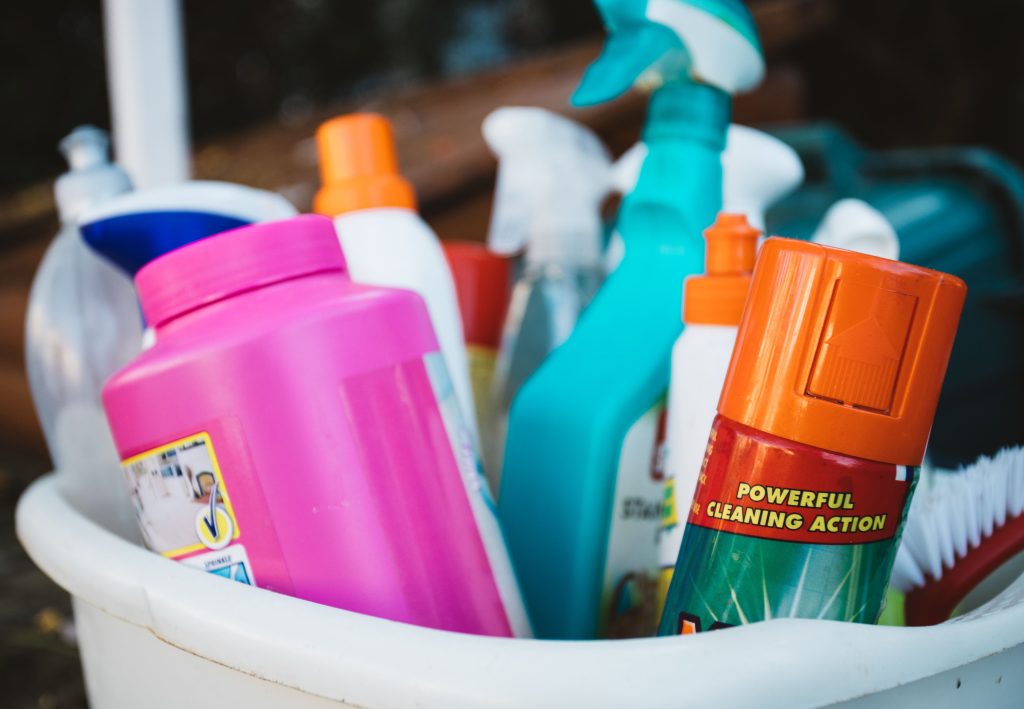
Take a quick look around your home. You will probably find several products for cleaning, washing,
insect control, gardening, and personal care (e.g., shampoo, lotion, deodorant, and skin care). All of these
contain chemicals that may negatively impact your health. Perhaps you routinely check the ingredients of these products and try to avoid certain ingredients. But what about the ingredients you have no clue about? And what about the everyday products you don’t question because they are trusted brands in most
South African households? Are all their ingredients safe, especially with regular, long-term use?
What about the services you might use? Hazardous chemicals are found in beauty salons in the products used on our hair and nails. What about the products used by the company or is a government agency ridding your home and neighbourhood of unwanted pests? Have you been informed beforehand about the potential short- and long-term health effects?
What’s the Problem?
Most household products contain multiple compounds we broadly refer to as household chemicals. Each chemical is included in the product for a specific reason: to clean, preserve, to make a powder or liquid,
fragrance, disinfect, repel insects, or improve appearance. The challenge is that many chemicals also pose
a risk to human health, depending on how you are exposed to them (how much, how long, and in what setting). Also, the fact that no one is exposed to just one chemical at a time, yet that is how they are regulated by the government, is worrisome.
Some risks are obvious. Swallowing bleach, for example, can cause nausea, vomiting, abdominal pain, and, in severe cases, burns. These are acute (immediate/short-term) effects. But chemicals can also cause chronic (long-term) effects that are less visible and seldom discussed, such as asthma, allergies, cancers and Attention Deficit/Hyperactivity Disorder (ADHD). Often chemicals smell strong which is a warning sign.
You may have heard advice like ‘just ventilate the room’ or ‘leave the area for a while and you’ll be fine’.
Ventilation can help, but it isn’t always the whole story. Especially when exposure is frequent, happens in small indoor spaces, or affects children, pregnant woman, or anyone who may be more vulnerable to
chemical effects, including people with allergies and those who are immunocompromised. What about what remains behind—that is, the residues?
How can the “Poison Diaries” help?
That’s where The Poison Diaries comes in.
We will walk you through the world of science terminology—exposures, environmental health, risks, hazards, tolerances, cancer, fertility…and the list goes on. We will share with you the latest scientific information in a way for all to understand and to ultimately reduce exposures. And finally, we will share with you some non
or low toxic alternatives that we have tried or are aware of.
In each blog, we aim to inform you about a specific issue. Such as why are Teflon frying pans dangerous for your health? Why should you not microwave in plastic? What are the dangers when using sprays to kill flies? Then, for each issue we raise, our focus is to give you practical measures you can take to reduce exposures for you and your family or your family’s pets. Our focus is on reducing exposures, and we will explain why.
We may from time-to-time post companies that offer alternative products, this however, will not be an endorsement of their products but rather to give you ideas.
We are passionate academics, researchers and communication specialists who want to share clear,
trustworthy, science-based information. As we work in the field of environmental health, our focus is on
household and neighbourhood uses of chemicals and the risks they may pose, along with providing
practical, non or less toxic alternatives to reduce exposures and help us to aim for a less toxic future.
Our team has over 30 years of experience researching and working on the health impacts linked to everyday chemical and pesticide exposure, advocating for stronger legislation and regulations and developing risk communication materials. We’ve heard too many stories about unnecessary exposures by consumers and the public, as well as seeing too many preventable poisonings and illnesses, to stay quiet.
So, what can you expect from this blog?
Regular posts that break down the issues to common exposures (e.g. spraying pesticides at home, microwaving plastics, using hair straighteners or dyes), what the evidence really says, and what it means for your home, your communities, and ecosystems around you. Sharing of real-life experiences and stories, a
nd then providing simple (and when possible, affordable) tips on less toxic choices or alternatives to help reduce risks. We recognise that we have to live and engage with chemicals and plastics, but our intention is to provide you with exposure reduction options, not to make you fearful or confused.
Our other goal is to make this as interactive a blog as possible. We want to hear from you. Perhaps you have unanswered questions, or you have a story to share. Please reach out by leaving us a comment on this or any post you read or by sending us an email at info@poisondiaries.org.
We look forward to engaging with and learning from you!
The Poison Diaries Team




Your Voice matters
This platform is a space to share your stories, too!
If you have a question, concerns, personal experiences with a product, or are wondering about safer alternatives, we’d love to hear from you and are here to help.
We may feature your questions and stories in upcoming blog posts so others can learn from them too. That’s how we build awareness and empower each other.
Got something on your mind?
*
Resources
Explore practical, easy-to-understand information on household chemical risks—tailored to help you make safer choices every day.
Recent Stories
Welcome to the poison diaries
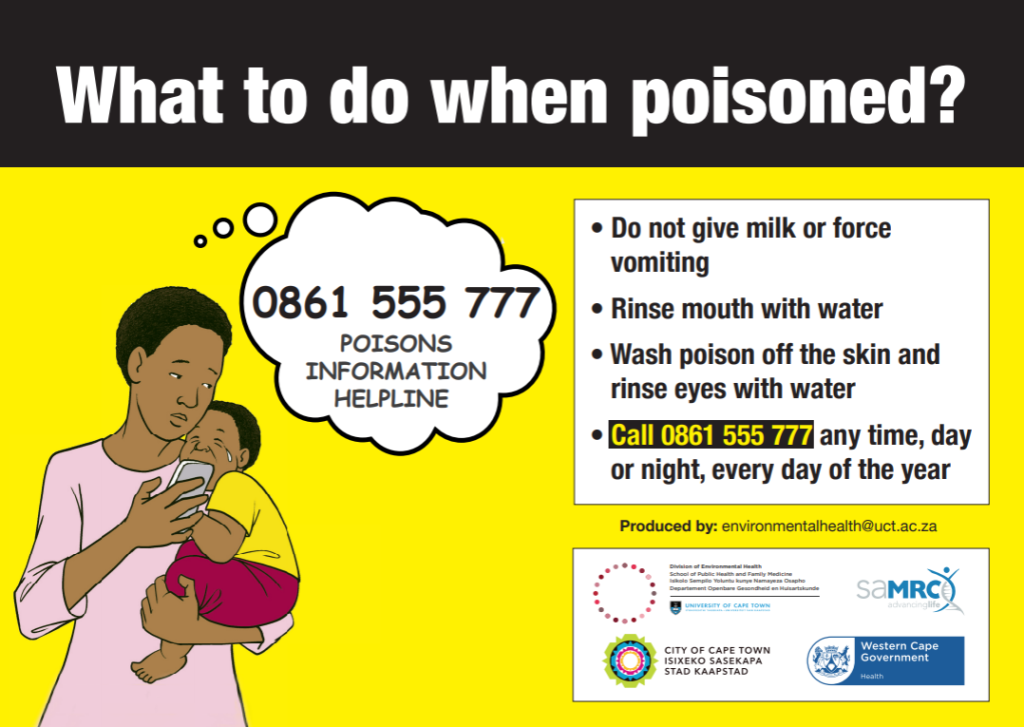
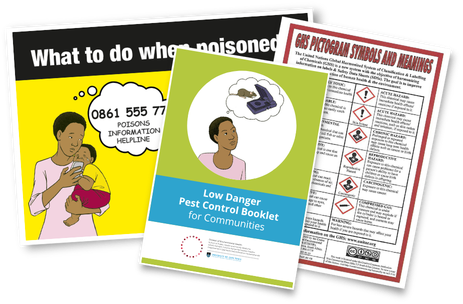
What to do when poisoned